
The Story of
Bento
Discover the unique history of the bento box in Japan
The bento box in Japan is not just a meal.
It is a Love Letter made of food, refined over more than
800 years.
Let’s travel back in time to explore the roots of this unique culture—from a samurai’s field
ration to a modern kawaii art form.
Practicality to Pleasure
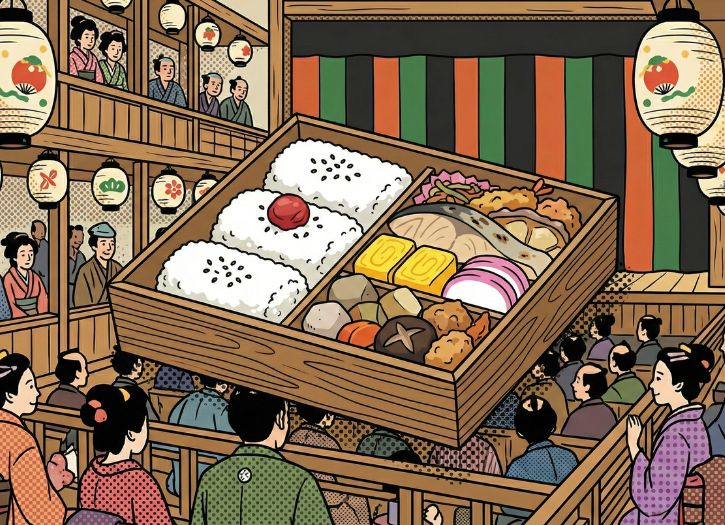
The history of the bento box in Japan is said to begin with “hoshi-ii” (dried, pre-cooked rice) carried by travelers and samurai as early as the Kamakura period—simple, portable fuel for long journeys, valued for how light and easy it was to carry. It wasn’t until the peaceful Edo period that bento shifted from mere survival food to a form of pleasure. Lacquered boxes, some decorated with gold “makie” artwork, became fashionable accessories for hanami (cherry blossom viewing), tea ceremonies, and trips to the kabuki theater—turning a meal into part of the entertainment itself, and a small way to show off good taste in front of friends.
Ekiben & Aluminum Boxes
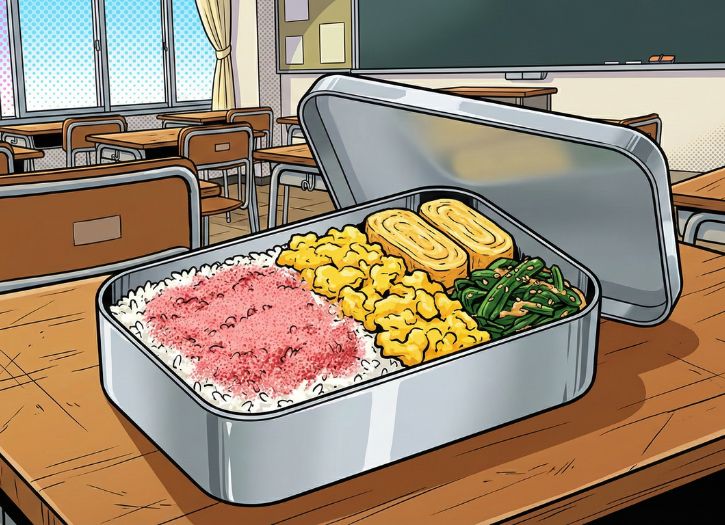
As railways spread across Japan, “Ekiben” (station bento) appeared, and one of the earliest is often said to have been sold at Utsunomiya Station in 1885. Travelers could suddenly taste a region’s local specialties—seafood by the coast, mountain vegetables inland—the moment their train pulled into the station, and each region began competing to showcase its best ingredients in a single box. Around the same time, mass-produced aluminum bento boxes made packed lunches an everyday part of school and work life. Simple, colorful staples—like pink “Denbu” (sweet fish flakes) and a boiled egg—turned a plain lunch into something a little more special, and packing one became an everyday expression of care from a parent to a child, a quiet tradition that continues in Japanese households today.
The Legend of “Tako-san”
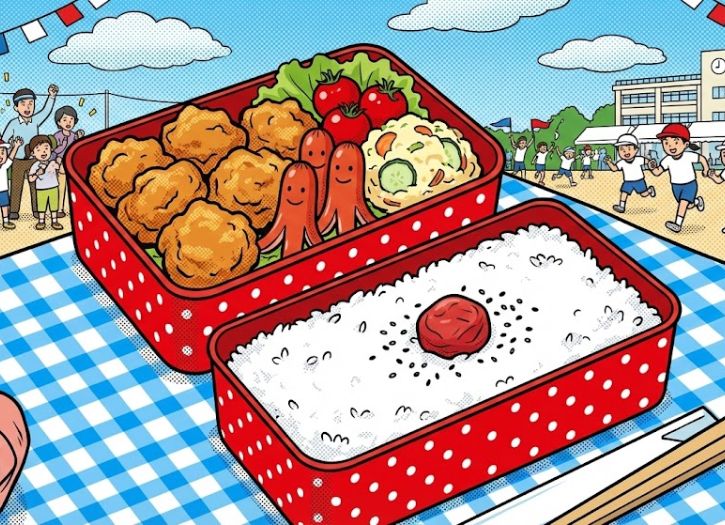
In the post-war years, as Japan’s home cooking culture flourished, a simple idea is said to have taken hold among mothers looking to get picky children to eat: cutting a sausage into the shape of an octopus, or “Tako-san Wiener”. Paired with “Usagi-ringo” (apple slices carved into rabbit shapes), this small, playful gesture marked a turning point—the moment bento started shifting from “just food” to “food as entertainment.” Neither trick required any special equipment or training, just a knife and a little imagination, which is part of why they spread so quickly from kitchen to kitchen. As manga and anime culture boomed through the 1970s-80s, these playful techniques planted the seed for what would eventually become “Kyara-ben.”
The Birth of “Kyara-ben”
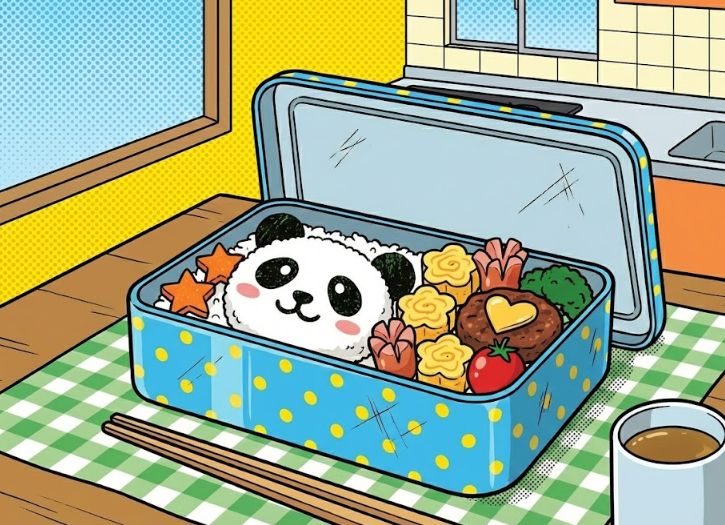
That playful spirit fully bloomed into “Kyara-ben” (character bento) in the 2000s, as home cooks began sharing photos of anime characters, animals, and pop-culture icons recreated in rice and nori on blogs and social media. What started as a home cooking trend is now recognized internationally as a unique form of edible Japanese pop art.
At Tokyo Cute Bento, we believe you don’t need to be a trained artist—or a lifelong bento-making parent—to take part in this tradition. That’s exactly why we opened our studio: to make this centuries-old idea of turning a lunch into a small act of joy something anyone can experience, no special skill required, in a single afternoon in Akasaka. Whether you’re visiting Tokyo for a day or living here long-term, you can take part in the same tradition that started with a simple bag of dried rice—and leave with a bento you made with your own hands.
EASY ACCESS TO OUR CLASS
Make Your Own
Kawaii History.
400 years of bento culture, one character bento at a time—join our hands-on class in Akasaka.
Book Your Class